Twin Lilies in Bloom Color by Number
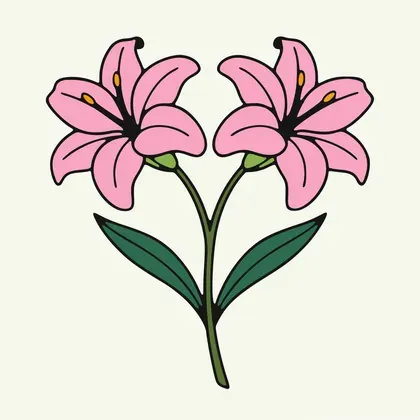
Color key
- 1 Light tan
- 2 Blush
- 3 Dark cream
- 4 Tan
- 5 Dark tan
- 6 Pine
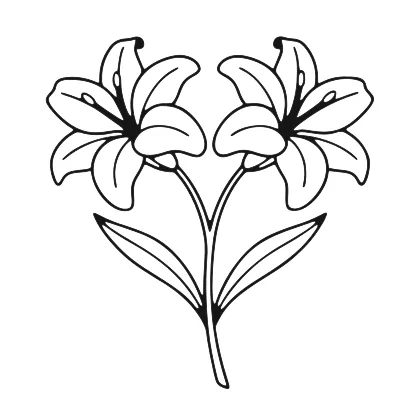 Pick your own colors Twin Lilies in Bloom coloring page Blank version — color it online or print it plain
 Free Printable Twin Lilies in Bloom Color by Number
Discover the calming beauty of nature with this detailed lily color by number printable sheet. Centered on the stunning Twin Lilies in Bloom illustration, this lily color by number project invites older teenagers and adults to enjoy a peaceful, screen-free creative break. Engaging with color-by-code art provides meaningful developmental benefits for students and hobbyists alike, fostering steady patience, strong visual focus, and the quiet discipline of following instructions carefully. While younger children build foundational skills, older teens and adults discover that matching muted tones sharpens number recognition and clears the mind after a demanding day. The finished composition showcases an elegant floral arrangement colored with a palette of light tan, blush, dark cream, tan, dark tan, and pine. To achieve the best possible result with this lily color by number activity in a classroom or home studio, we recommend printing this sheet on standard letter-sized cardstock or heavy drawing paper. Sturdier paper ensures that colored pencils, fine-tip pens, or blendable markers lay down smoothly without wrinkling or bleeding through to your work surface. Simply select portrait orientation on your printer, verify that the scaling is set to fit your paper margins, and enjoy watching these lovely twin blossoms come to life.
About lily
- True lilies belong to the genus Lilium and grow from nutrient-rich underground bulbs that survive cold winter frosts.
- Although lilies are completely non-toxic to humans, every part of the true lily plant is extremely poisonous to domestic cats.
- Lilies have held deep cultural symbolism for thousands of years, representing purity in ancient Minoan art and rebirth in Greek folklore.
Frequently Asked Questions
What coloring supplies work best for this botanical design?
Colored pencils and fine-tipped markers work best because of the detailed botanical linework. Pencils allow you to blend the subtle tan and blush tones smoothly, while fine markers produce crisp, clean edges.
Is this coloring activity appropriate for younger children?
This page is primarily tailored for older teenagers and adults due to its mature color palette and intricate design. However, patient younger children with strong fine motor control can still participate, or they can substitute brighter colors if preferred.
How can I prevent wet ink from bleeding through the page?
Printing the sheet onto medium-weight cardstock or dedicated marker paper prevents paper wrinkling and ink saturation. Placing a scrap sheet of cardboard or paper directly underneath while working will also protect your table from stray marks.